


For $10 a month, or $100 a year, you support a simple mission: spread great data visualisation wherever it comes from. You help fund the work of finding, sourcing and explaining the charts that deserve a wider audience. And you back a publication built on generosity, transparency and the belief that better understanding makes a better world.
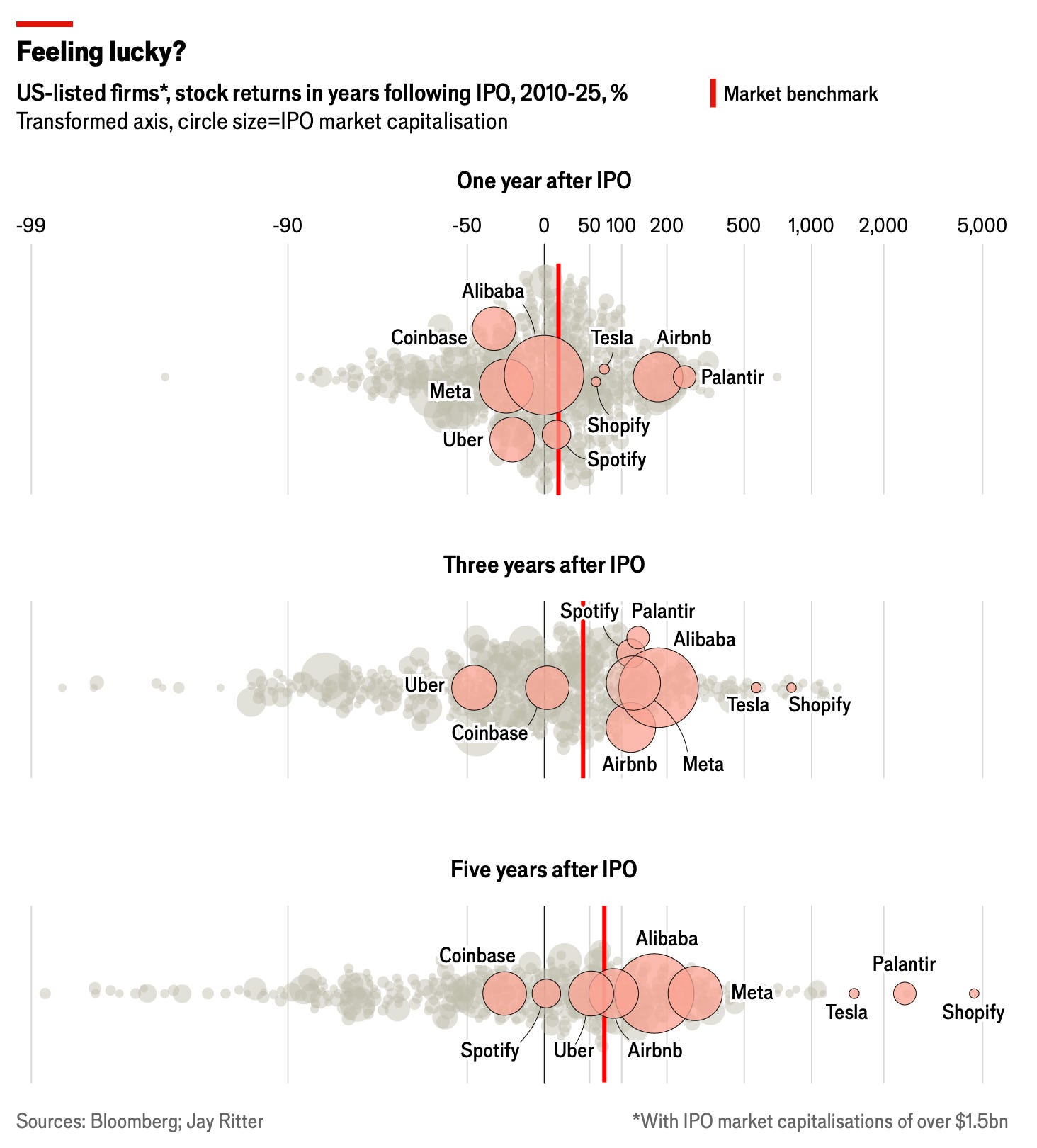
CHART 1 • Why IPO winners distort the typical return
What’s surprising about IPOs is that the companies everyone remembers are not the companies most investors experienced. Large US companies often arrive on the stock market surrounded by a lot of excitement, ambitious forecasts and enormous valuations. However, once the hype fades and investors have several years of results to judge, many fail to beat the wider market.
Jay Ritter’s long-running research makes this point really clear. Across IPOs from 2001 to 2024, newly listed companies underperformed the market by an average of 14.7 percentage points over their first three years. In the five-year group, most failed to match the market’s roughly 70% return. This is what makes this chart by The Economist, based on his research, so interesting.
Source: The Economist
The reason investors keep buying IPOs is that the winners can be spectacular. Shopify, Palantir and Tesla produced gains of roughly 1,500% to 5,000%, creating the impression that getting into a great company early on can make you wealthy. This is the trap. Those extraordinary winners sit above a much larger group of ordinary or disappointing listings.
Paid subscribers get access to the other four charts: Berkshire’s investments, podcast deal values, national gold reserves and European millionaires. Together, they show why valuation becomes clearer when ownership, scale and the comparison group are made visible.
