

For $10 a month, or $100 a year, you support a simple mission: spread great data visualisation wherever it comes from. You help fund the work of finding, sourcing and explaining the charts that deserve a wider audience. And you back a publication built on generosity, transparency and the belief that better understanding makes a better world.War has a way of cutting through economic narratives.
For months, markets have been telling a comfortable story. Energy shocks were behind us. Supply chains had adapted. Prices had settled. But that story only holds in peacetime, or something close to it.
The escalation in the Middle East changes the frame entirely. The sudden halt in traffic through the Strait of Hormuz is not a market adjustment, it is a wartime constraint. When a critical artery for global oil and gas effectively shuts, the system does not bend, it snaps.
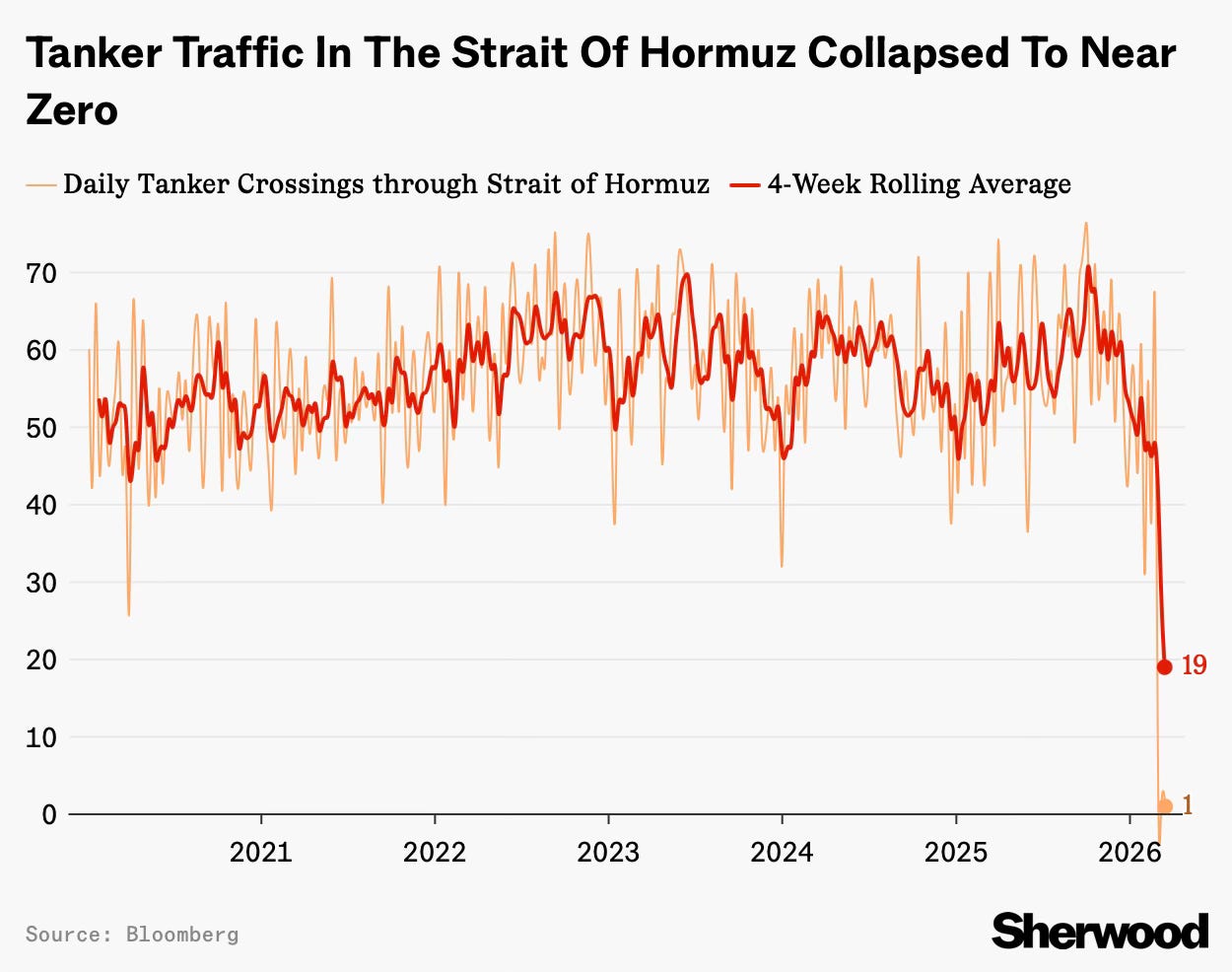
CHART 1 • When an oil chokepoint stops the world
For years, tanker traffic through the Strait of Hormuz has been stable, hovering around 50 to 70 crossings a day despite persistent tension. That stability has now broken. The chart shows a sudden collapse to near zero, not a gradual decline but an abrupt halt.
The shift reflects risk rather than demand. Shipping companies, insurers, and operators have stepped back as conditions in the region deteriorate. When a route becomes too dangerous, trade does not adjust smoothly, it stops.
This matters because the strait is not just another route. A large share of global oil and gas flows through it, and alternatives are limited. The chart captures a moment when the system itself is disrupted, turning a geopolitical event – the US-Israel War on Iran – into a direct constraint on global energy flows.
Source: Sherwood
It’s hard not to mention the war because economically the world feels it. But that is where we are. What we are seeing is not just volatility, but a moment where the system itself stops working as expected because of an event out of our control.
We have built a global economy that depends on openness, speed, and efficiency, yet those same qualities make it vulnerable when conflict interrupts the flow. The system works best in calm conditions, but it is increasingly being tested in anything but.
I’ve got four more charts that expand on this story, but they’re for paid subscribers. Consider joining if you want the full edition.
