


For $10 a month, or $100 a year, you support a simple mission: spread great data visualisation wherever it comes from. You help fund the work of finding, sourcing and explaining the charts that deserve a wider audience. And you back a publication built on generosity, transparency and the belief that better understanding makes a better world.
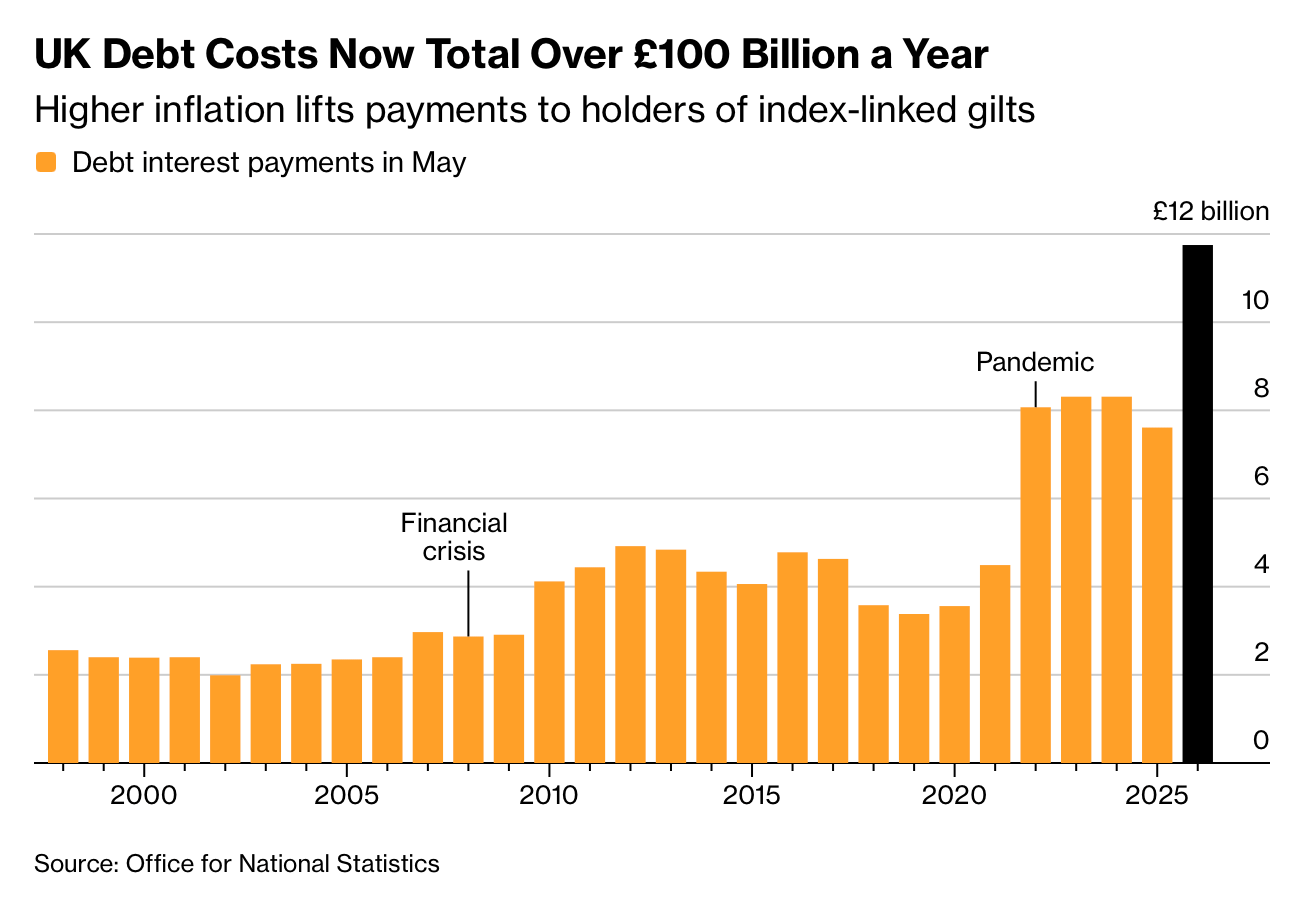
CHART 1 • UK debt interest passes £100 billion a year
Britain’s fiscal problem is no longer abstract. The government is now spending so much on debt interest that the bill looks comparable to the budget of a major public service. It is one of the clearest costs of the high-inflation era.
Bloomberg’s chart shows UK debt interest payments in May running at levels consistent with more than £100 billion a year. The ONS put central government debt interest at £11.7 billion in May 2026, the highest figure for any May on record.
Index-linked gilts add another squeeze. When inflation rises, the cost of this debt rises too. That means the government’s interest bill can go up automatically, even if ministers have not promised to spend another pound. That leaves less money for everything else. A government can promise growth, reform or restraint, but a growing chunk of tax revenue now has to be used just to pay interest on the debt.
Source: Bloomberg
The UK debt chart shows that politics often narrows before voters are told. Some money is already committed, some choices are already priced, and some arguments arrive with less room than they appear to have.
Paid subscribers get access to the other four charts: Britain’s rejoin-EU majority, Oxford’s overseas tuition fees, the OECD’s highest tax shares and Elon Musk’s growing focus on UK politics. Together, they show how fiscal pressure, institutional funding and platform attention are reshaping the room for national choices.
