

For $10 a month, or $100 a year, you support a simple mission: spread great data visualisation wherever it comes from. You help fund the work of finding, sourcing and explaining the charts that deserve a wider audience. And you back a publication built on generosity, transparency and the belief that better understanding makes a better world.
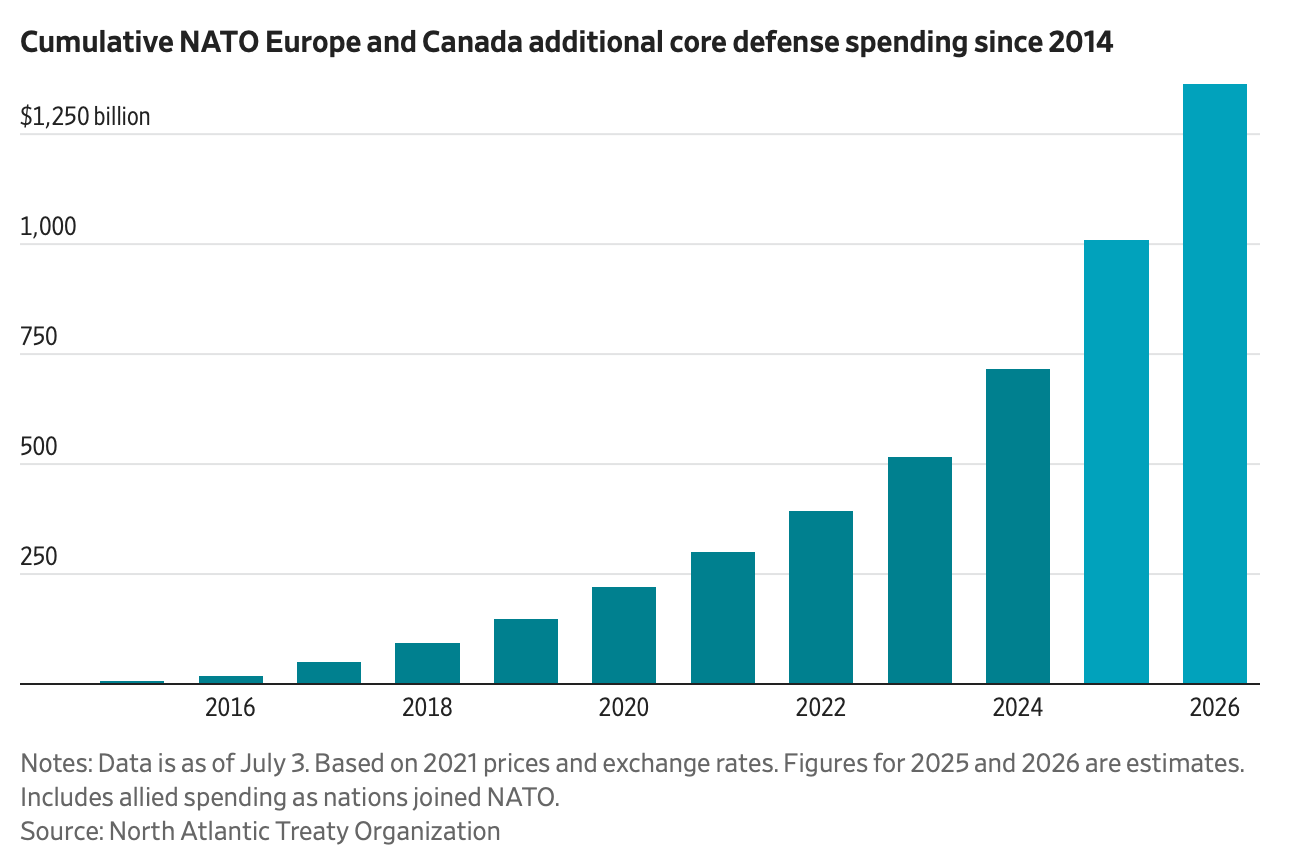
CHART 1 • NATO Europe and Canada have added $1.2 trillion to defence
For years, the easy criticism was that Europe was not paying enough for its own defence. This chart suggests that line is now incomplete. The harder question is what the money can actually buy.
This Wall Street Journal visual, using NATO data, puts extra core defence spending by European members and Canada since 2014 at more than $1.2 trillion in 2021 prices. NATO says their combined defence spending rose nearly 20% in real terms in 2025, to about $571 billion, and is expected to rise again in 2026.
With Washington pushing allies to carry more of the burden, the figure is not a victory lap. It is a measure of how much catching up Europe still has to do. The Ankara summit turned that into practical questions about surveillance aircraft, missile production, transport capacity and air-defence supply chains. Money matters, but the next test is whether Europe can buy together and produce enough kit to make the higher budgets count.
Source: Wall Street Journal
The NATO number is only impressive if it can be turned into deployable force. The next question is not whether Europe can announce higher spending, but whether it can buy together, build faster and keep enough equipment ready.
Paid subscribers get access to the other four charts: UK regular forces, UK defence-spending plans, global power perceptions and Russian seaborne crude. Together, they show the practical tests behind hard power: people, budgets, reputation and the routes sanctions cannot fully close.
