

For $10 a month, or $100 a year, you support a simple mission: spread great data visualisation wherever it comes from. You help fund the work of finding, sourcing and explaining the charts that deserve a wider audience. And you back a publication built on generosity, transparency and the belief that better understanding makes a better world.
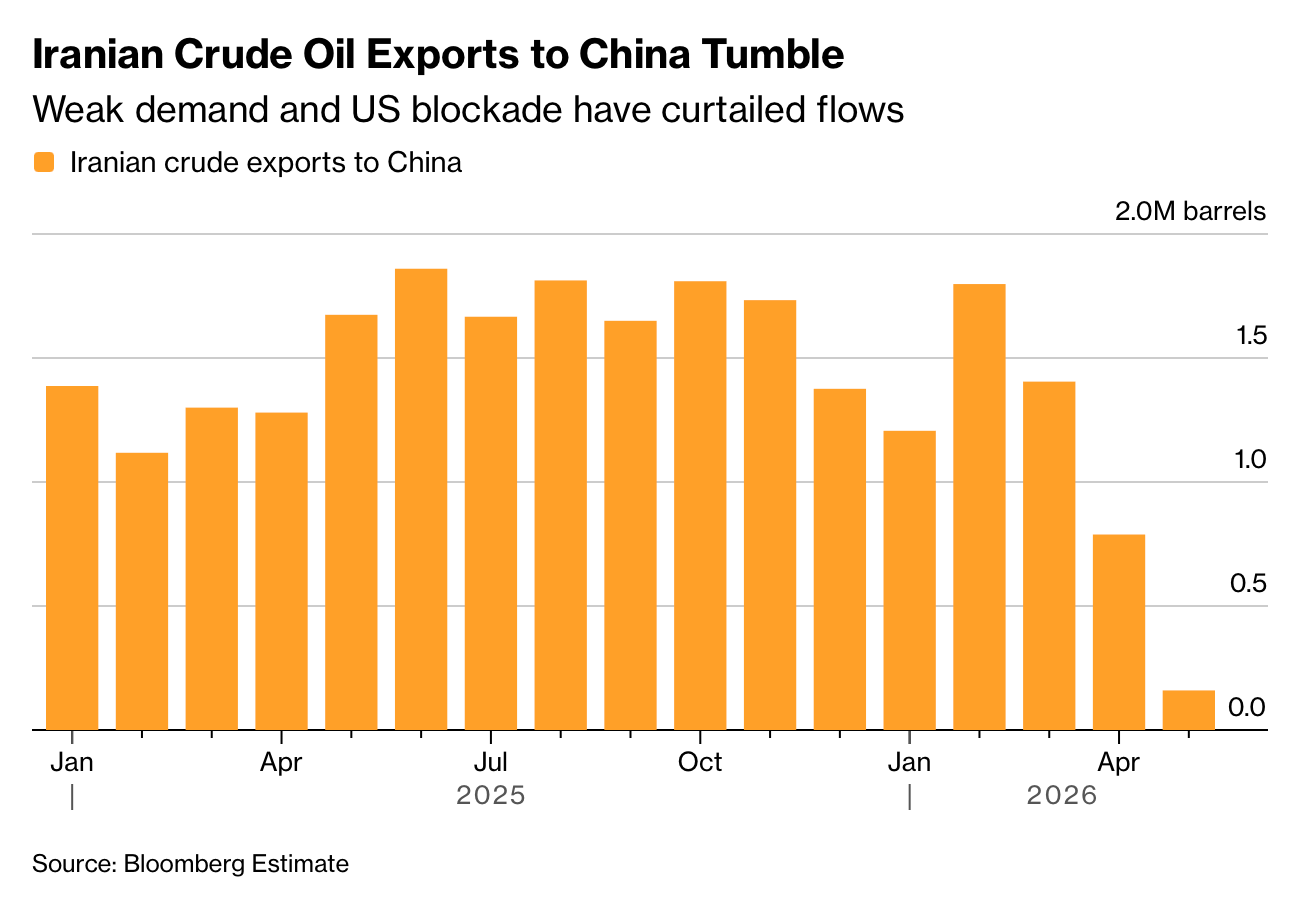
CHART 1 • Iranian crude exports to China have collapsed
Sanctions are easiest to misunderstand when they are discussed only as announcements. Oil cargoes make the pressure more visible. Bloomberg’s estimate shows Iranian crude exports to China falling sharply in 2026, with flows close to zero by April.
For Tehran, that hits one of the most important hard-currency channels. For Chinese buyers, the calculation has changed too: weaker demand makes discounted barrels less attractive if the political, shipping and sanctions risk rises.
Reports of tankers resuming shipments mean April may not be the final word. The oil market is reading diplomacy and enforcement almost week by week, not only supply and demand.
Source: Bloomberg
The first-order story is military and diplomatic. The second-order story is financial: which routes still work, which payments people trust, which prices move and which markets remain open.
Paid subscribers get access to the other four charts: Ukraine’s strikes on Russian logistics, Russia’s cash habit, oil-driven inflation and capital markets booming despite geopolitical shocks. Together, they show how conflict moves through trade routes, payment systems, prices and credit before it becomes a single macro headline.
