


For $10 a month, or $100 a year, you support a simple mission: spread great data visualisation wherever it comes from. You help fund the work of finding, sourcing and explaining the charts that deserve a wider audience. And you back a publication built on generosity, transparency and the belief that better understanding makes a better world.The story of artificial intelligence is no longer being told in products. It is being told in language.
Across earnings calls, something has shifted. The focus is no longer on what companies delivered, but on what they might become. Mentions of AI now outnumber references to earnings themselves, a small but telling signal that narrative has started to outrun results.
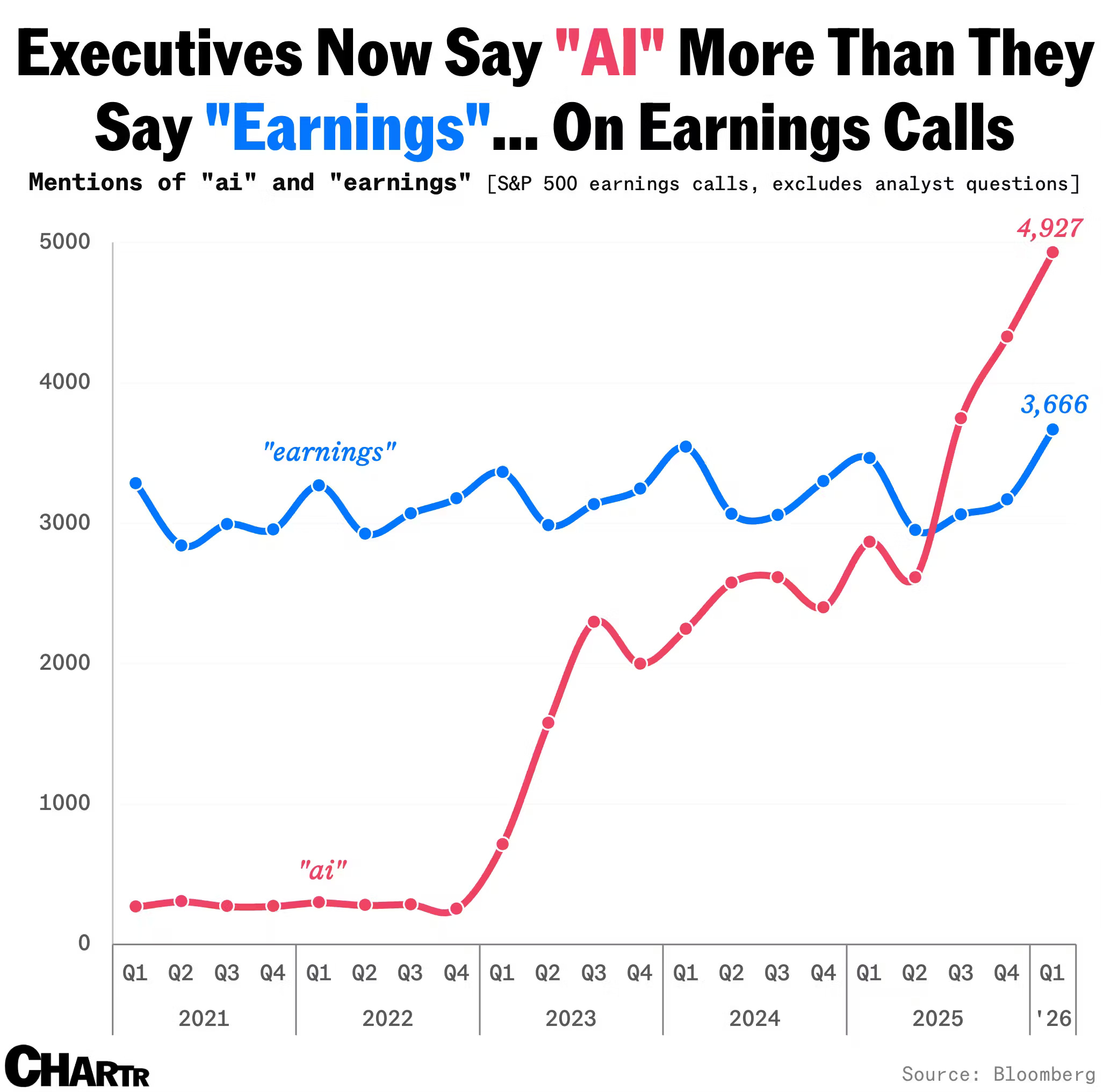
CHART 1 • Executives say “AI” more that “Earnings”
The shift in language on earnings calls is no longer subtle. Mentions of “AI” have surged to nearly 5,000 in a single quarter, overtaking references to “earnings” themselves. What was once a supporting topic has become the main theme, reshaping how companies present their outlook.
This is less about reporting performance and more about signalling direction. Executives are increasingly using AI to frame future growth, efficiency gains, and competitive positioning. In that sense, the earnings call is becoming less about what happened and more about what might happen next.
There is a familiar pattern here. When a new technology becomes central to investor expectations, it begins to dominate corporate language. The frequency of mentions reflects not just adoption, but pressure. Companies feel compelled to show they are participating, even if the economic impact is still uncertain.
The chart captures a shift in emphasis rather than substance. Earnings still determine value, but attention has moved elsewhere. The narrative has changed first, and the numbers may follow later.
Source: Chartr
What stands out is how much of this story is being driven by expectation rather than evidence. Language has moved first. Strategy is being defined in real time. The outcomes, for now, are still forming.
There is something familiar in that pattern. Every major shift begins with a narrative that feels ahead of reality. The question is not whether AI will matter, but how much of what we are hearing today will translate into something durable.
I’ve got four more charts that expand on this story, but they’re for paid subscribers. Consider joining if you want the full edition.
