


For $10 a month, or $100 a year, you support a simple mission: spread great data visualisation wherever it comes from. You help fund the work of finding, sourcing and explaining the charts that deserve a wider audience. And you back a publication built on generosity, transparency and the belief that better understanding makes a better world.
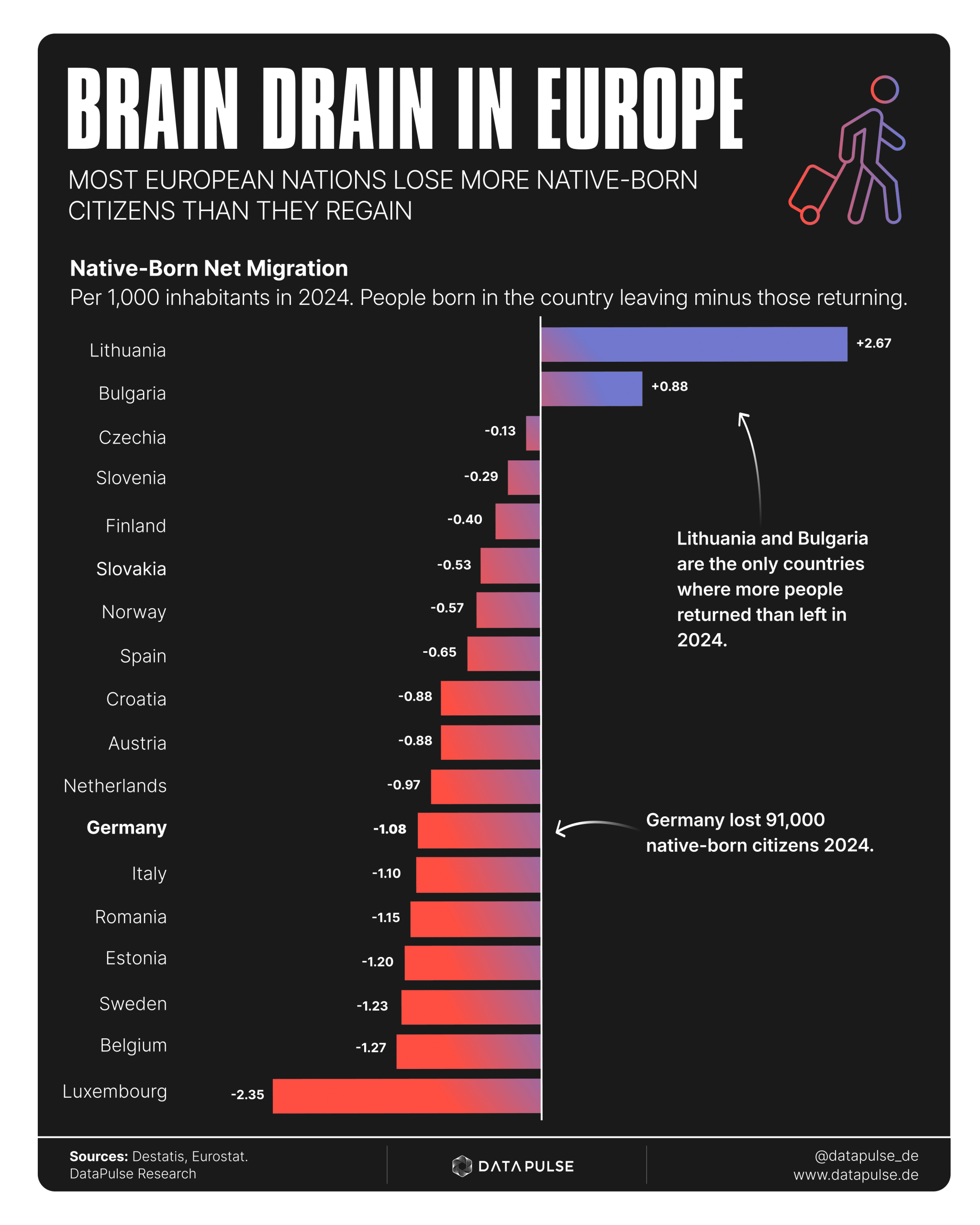
CHART 1 • Europe is losing native-born citizens
Europe’s migration debate usually starts with arrivals. This chart asks the more uncomfortable retention question: are countries keeping the people already born into their systems?
DataPulse says 17 of the 19 European countries it covered had negative native-born net migration in 2024. Germany’s net loss was 91,000 people. That is not only a border story; it is a signal about opportunity, wages, housing and confidence.
The caveat matters. Native-born net migration is not skill-adjusted brain drain, and the country coverage is narrow. But if the pattern persists, Europe has a competitiveness problem as well as a migration problem. Losing people who can already work and settle easily is expensive.
Source: DataPulse Research
These charts are less dramatic than an oil shock or a rate decision, but they are not softer. Retention, ageing, hours and first jobs shape the capacity an economy has before policy even begins.
Paid subscribers get access to the other four charts: pension pressure from ageing populations, the weak link between income and working hours, young US workers in service jobs and OECD unemployment near 5%. Together, they show how demographic pressure turns slowly into fiscal strain, labour-market insecurity and uneven growth.
