

For $10 a month, or $100 a year, you support a simple mission: spread great data visualisation wherever it comes from. You help fund the work of finding, sourcing and explaining the charts that deserve a wider audience. And you back a publication built on generosity, transparency and the belief that better understanding makes a better world.
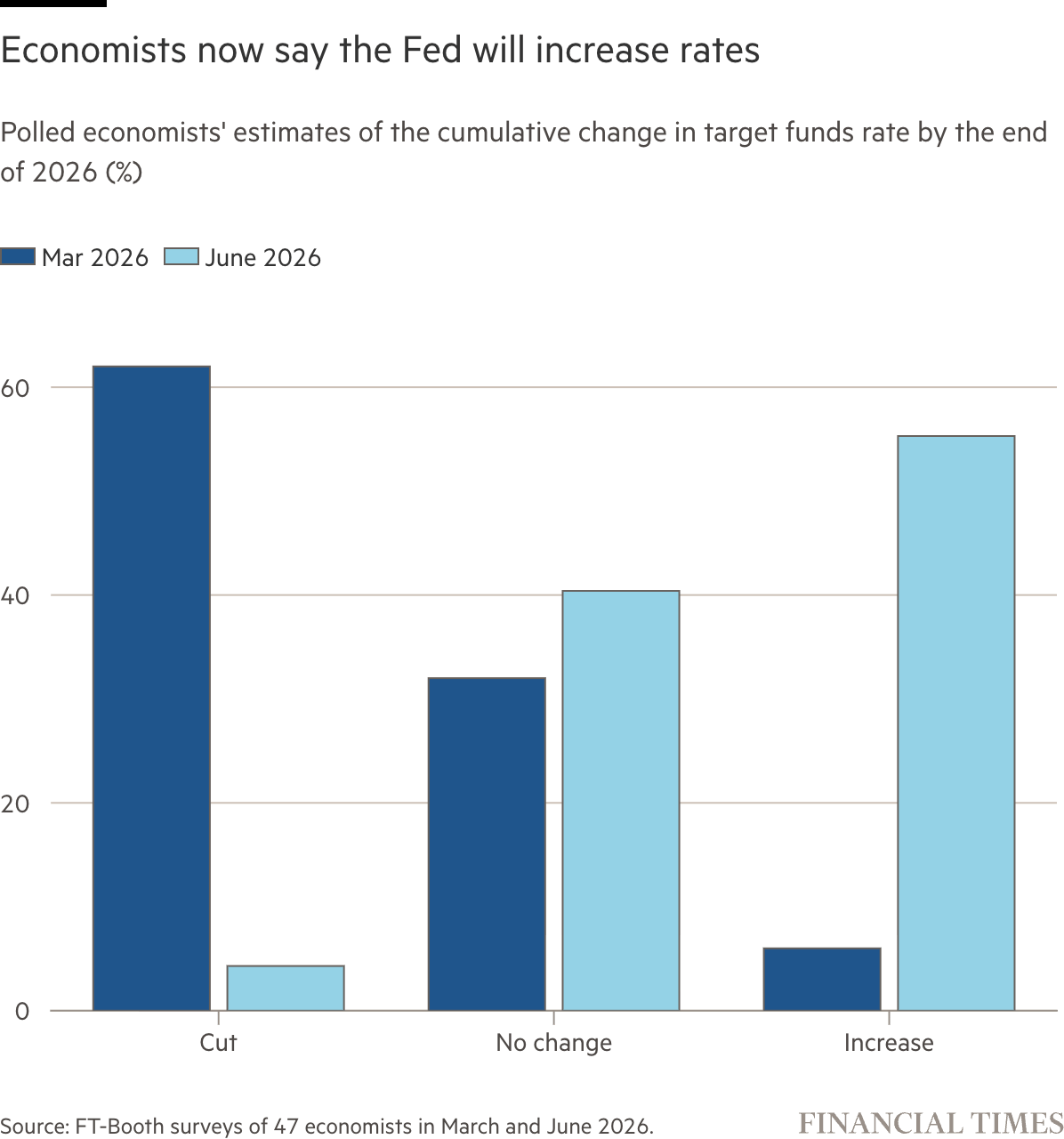
CHART 1 • Economists now expect the Fed to raise rates in 2026
The rate-cut trade has been forced to defend itself. The FT-Booth survey shows economists who were looking for cuts in March now expecting the Fed to raise rates by the end of 2026.
The 17 June Fed meeting reinforced that change in mood. Rates were held at 3.5% to 3.75%, but officials signalled that another hike is possible as oil and inflation pressure persist. Relief is no longer the default path.
Surveys and Fed projections can both be wrong. The important change is the starting line. A year that was supposed to be about easing now has to price the risk of renewed tightening, and that changes the tone for bonds, equities and borrowers.
Source: Financial Times
Interest rates can sound technical until they arrive as a mortgage quote, a wage negotiation or a government with less room to spend. The abstraction always becomes someone’s monthly arithmetic. I learnt this very quickly early on in my career. Interest rates are not dinner table conversation, but talking about the troubled economy is. The problem is that you still need to talk about interest rates even if nobody wants to listen.
Paid subscribers get access to the other four charts: expected ECB hikes, the Fed and ECB moving together again, US wage gains lost to petrol prices and inflation still concentrated in Argentina and Turkey. Together, they show why the inflation story is no longer a simple countdown to cuts.
