


For $10 a month, or $100 a year, you support a simple mission: spread great data visualisation wherever it comes from. You help fund the work of finding, sourcing and explaining the charts that deserve a wider audience. And you back a publication built on generosity, transparency and the belief that better understanding makes a better world.
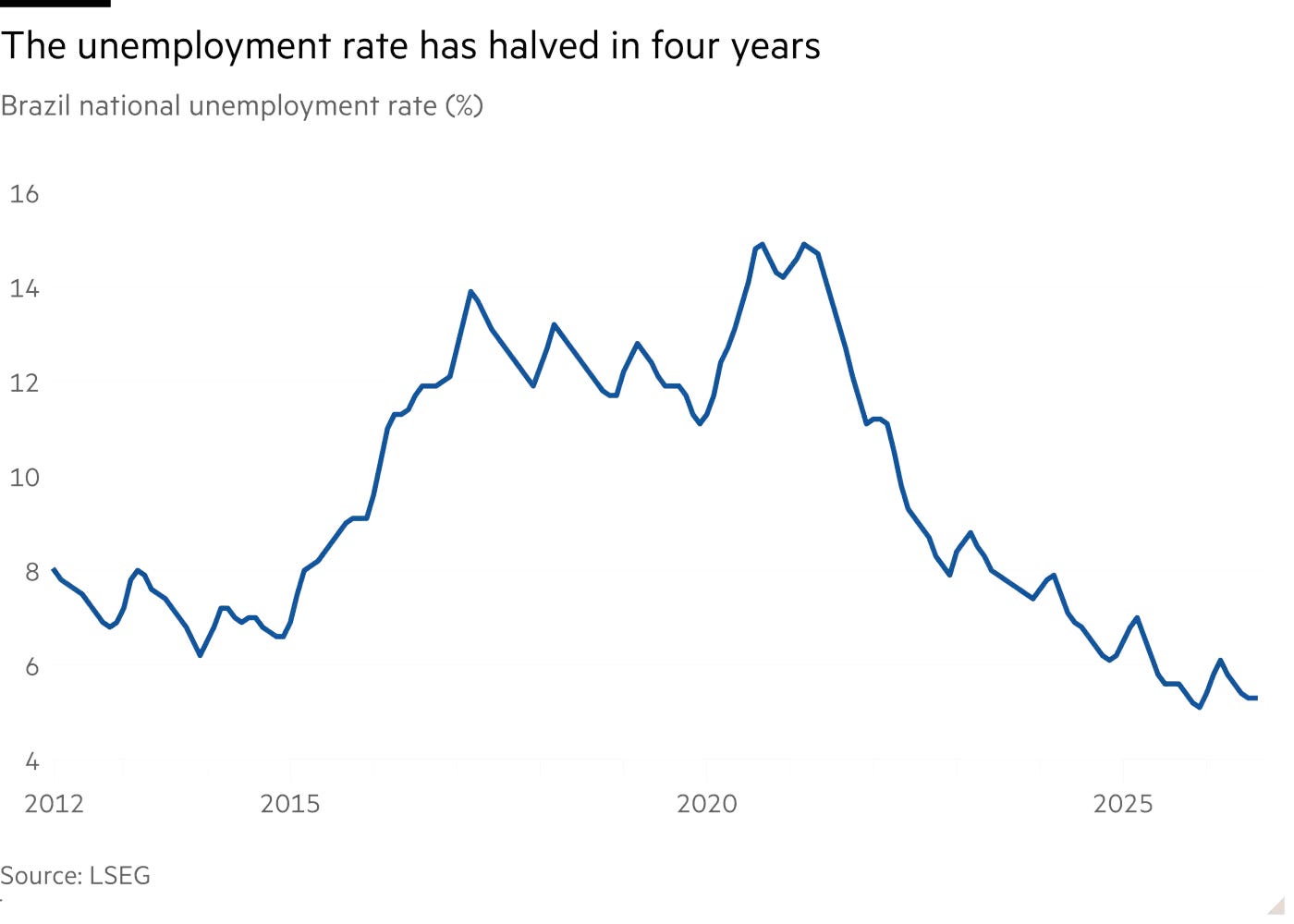
CHART 1 • Brazil’s unemployment rate has fallen, but so has sentiment
Beneath the surface of Brazil’s economy, the country is still trying to adapt to the last technological wave before AI – the gig economy. Take a look at this chart. Over the last four years, the unemployment rate has halved. But it’s what’s behind those numbers that’s interesting.
When you look at the raw economic headline figures, the economy looks strong under Lula, with solid growth throughout his third term and unemployment now at its lowest rate since records began in 2012, at just 5.3%. However, a September poll by Quasset showed that 49% of Brazilians believe the economy has got worse over the past year.
One of the trends that I’ve noticed on my visits to Brazil is dramatic growth in Uber and delivery apps, which are acting as a form of economic safety net for many people struggling to find full-time work. Uberisation, as it’s known, has helped the unemployment rate to fall. It’s acted like a guaranteed employment programme, except in this case, it’s sustained by private demand rather than government assistance.
However, this increasing reliance on the gig economy for work has also created a broader sense of resentment because it comes bundled with uncertainty. And with more than 80% of households in Brazil making payments on personal debts with high interest rates, naturally many Brazilians feel under pressure. The economic data just doesn’t match sentiment right now.
Source: Financial Times
Paid subscribers get access to the other four charts: Brazil’s regional vote, Lula’s runoff gains, coastal settlement and the concentration of wealth across countries. Together, they show what national averages miss about place, political change and economic security.
