

For $10 a month, or $100 a year, you support a simple mission: spread great data visualisation wherever it comes from. You help fund the work of finding, sourcing and explaining the charts that deserve a wider audience. And you back a publication built on generosity, transparency and the belief that better understanding makes a better world.
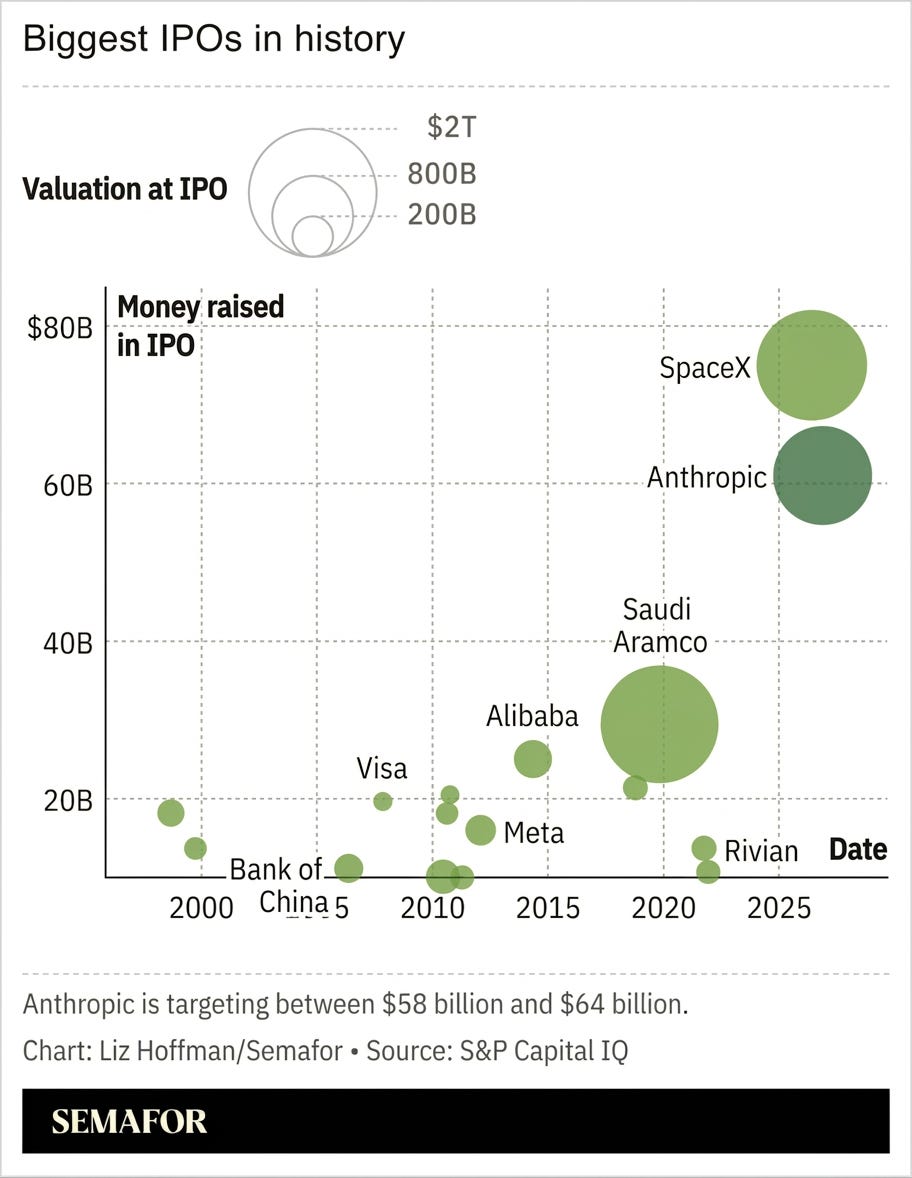
CHART 1 • Anthropic could double Aramco’s IPO
Back in 2019, Aramco IPO’d at a humongous $1.7 trillion, yet only a small portion of its shares were sold, raising $29.4 billion. At the time, that was a world record. It was an eye-watering amount and, for many, it seemed almost too good to be true. The Saudis had floated their crown jewels and, in turn, created what was the world’s largest company, larger than any US corporation at the time.
Of course, times have changed, and many tech companies have entered the trillion-dollar club in terms of market capitalisation. What’s interesting about this chart is that Aramco’s record has since been broken. SpaceX was first to do it, as you can see here. Its June listing raised $75 billion, more than two and a half times Aramco’s total. And it achieved a similar valuation of $1.77 trillion. The enormous gap that you see here reflects the size of the share sale.
Anthropic is aiming to achieve a similar feat and raise approximately $58 billion to $64 billion when it IPOs. It hasn’t completed that IPO yet, but trading is expected to begin on 19 November.
What we’ll need to watch is whether public investors will be willing to finance Anthropic’s ambitions at the price being asked for. Raising money is one milestone, but generating enough future profit to justify that investment is a much more difficult challenge.
Source: Semafor
Paid subscribers get access to the other four charts: Anthropic’s sales pace, Nvidia’s customer financing, its shareholder structure and Claude’s usage limits. Together, they show how AI demand moves through company accounts, capital providers and paying users.
